
Opertional approvals
RVSM — REDUCED VERTICAL SEPARATION MINIMUM
RVSM — REDUCED VERTICAL SEPARATION MINIMUM
RVSM — REDUCED VERTICAL SEPARATION MINIMUM
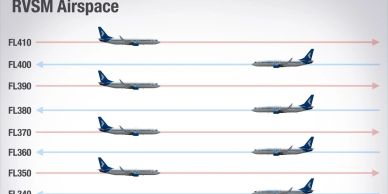
RVSM allows suitably equipped and approved aircraft to operate within designated upper airspace where the vertical separation between aircraft is reduced from 2,000 ft to 1,000 ft.
Compliance requires more than having capable equipment installed. The aircraft configuration, maintenance programme, operating procedures and crew requirements must meet the applicable regulatory standards.
SkySure can assist with the documentation, procedures and application process required to demonstrate RVSM compliance.
PBN — RNAV & RNP
RVSM — REDUCED VERTICAL SEPARATION MINIMUM
RVSM — REDUCED VERTICAL SEPARATION MINIMUM
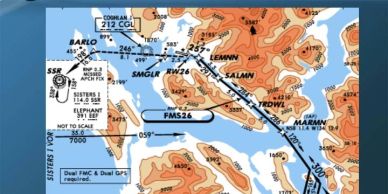
Performance-Based Navigation (PBN) encompasses navigation specifications including RNAV (Area Navigation) and RNP (Required Navigation Performance).
These capabilities allow aircraft to operate accurately along defined flight paths without relying solely on traditional ground-based navigation aids.
Depending on the intended operation, different specifications may apply, including RNAV 1, RNAV 2, RNP 1, RNP 4 and RNP APCH.
SkySure can review the aircraft's capabilities and intended operation, establish the applicable requirements and support the associated manuals, procedures and regulatory submissions.
EDTO — EXTENDED DIVERSION TIME OPERATIONS
RVSM — REDUCED VERTICAL SEPARATION MINIMUM
EDTO — EXTENDED DIVERSION TIME OPERATIONS
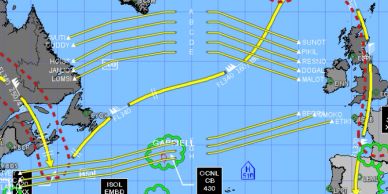
EDTO relates to operations where an aircraft may operate beyond a specified diversion time from an adequate aerodrome.
These operations require consideration of aircraft capability, reliability, maintenance, fuel planning, crew procedures, diversion strategies and other operational factors.
Where applicable to your aircraft and intended routes, SkySure can assist with the operational documentation, procedures and regulatory application required to support EDTO operations.
EFB — ELECTRONIC FLIGHT BAG
NAT HLA — NORTH ATLANTIC HIGH LEVEL AIRSPACE
EDTO — EXTENDED DIVERSION TIME OPERATIONS
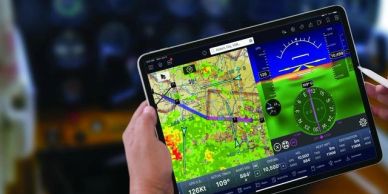
An Electronic Flight Bag (EFB) allows flight crews to use approved electronic devices and applications for functions traditionally performed using paper documentation and other flight-deck resources.
EFB systems may support functions including charts, operational documentation, performance calculations and flight planning information.
Introducing an EFB into an operation requires consideration of the hardware and software being used, operational procedures, training, data management, security, backup arrangements and risk assessment.
SkySure can develop the necessary EFB policy, procedures, risk assessments and supporting documentation for your operation.
LVO — LOW VISIBILITY OPERATIONS
NAT HLA — NORTH ATLANTIC HIGH LEVEL AIRSPACE
NAT HLA — NORTH ATLANTIC HIGH LEVEL AIRSPACE

Low Visibility Operations (LVO) enable suitably equipped aircraft and qualified crews to operate in reduced visibility conditions, including certain low-visibility approaches, landings and departures.
The applicable requirements depend on the aircraft capability, aerodrome facilities, crew training and the regulatory framework under which the aircraft operates.
SkySure can support the development of the required operational procedures, manuals, risk assessments and regulatory submissions, working with your Registry or Aviation Authority throughout the approval process.
NAT HLA — NORTH ATLANTIC HIGH LEVEL AIRSPACE
NAT HLA — NORTH ATLANTIC HIGH LEVEL AIRSPACE
NAT HLA — NORTH ATLANTIC HIGH LEVEL AIRSPACE
Aircraft operating within North Atlantic High Level Airspace (NAT HLA) must meet specific navigation, communication, surveillance and operational requirements.
For aircraft regularly crossing the North Atlantic, ensuring that the aircraft's equipment, procedures, crew requirements and associated documentation meet the applicable standards is an important part of operational planning.
SkySure can review your intended operation and aircraft capability and develop the necessary procedures and supporting documentation for NAT HLA operations.
CPDLC — CONTROLLER PILOT DATA LINK COMMUNICATIONS
.webp/:/rs=w:388,h:194,cg:true,m/cr=w:388,h:194)
Controller Pilot Data Link Communications (CPDLC) provides a digital means of communication between pilots and Air Traffic Control, supplementing traditional voice communications.
CPDLC is increasingly important within certain areas of controlled and oceanic airspace and forms part of the wider data-link environment used by modern aircraft.
SkySure can assist with the required operational procedures, manual content and regulatory documentation associated with the use of data-link communications.
ADS-C — AUTOMATIC DEPENDENT SURVEILLANCE — CONTRACT
.jpg/:/cr=t:10.98%25,l:0%25,w:100%25,h:52.49%25/rs=w:388,h:194,cg:true)
ADS-C enables an aircraft to automatically transmit agreed flight information to Air Traffic Services through a data-link connection.
It is particularly relevant to operations within remote and oceanic airspace where conventional radar surveillance may not be available.
Where ADS-C forms part of the aircraft's intended operation, SkySure can help ensure the appropriate procedures, documentation and regulatory requirements are incorporated into your operational framework.
STEEP APPROACH OPERATIONS
STEEP APPROACH OPERATIONS
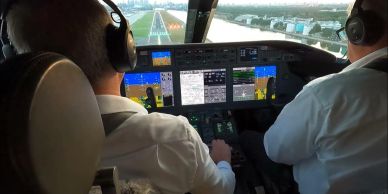
Certain airports require aircraft to conduct approaches at a steeper descent angle than that normally used for standard operations.
Steep approach operations may require specific aircraft capability, manufacturer approval, crew training, operating procedures and regulatory acceptance or approval.
SkySure can help establish the requirements applicable to your aircraft and intended destination and develop the necessary manual procedures and supporting regulatory documentation.
ALL-WEATHER OPERATIONS
SMS — SAFETY MANAGEMENT SYSTEM
STEEP APPROACH OPERATIONS
Operating in challenging weather conditions can require additional aircraft capabilities, procedures, crew training and regulatory considerations.
Depending on the aircraft and intended operation, this may include low-visibility take-offs, approach and landing operations and the use of advanced aircraft guidance systems.
SkySure can help translate these requirements into practical procedures and documentation appropriate to your operation.
DANGEROUS GOODS
SMS — SAFETY MANAGEMENT SYSTEM
SMS — SAFETY MANAGEMENT SYSTEM
.webp/:/rs=w:388,h:194,cg:true,m/cr=w:388,h:194)
Even where an operator does not routinely carry dangerous goods as cargo, there may still be regulatory responsibilities relating to dangerous goods policies, crew training, passenger baggage and items carried aboard the aircraft.
SkySure can assist in developing appropriate dangerous goods policies and procedures and incorporating them into your operational manuals.
SMS — SAFETY MANAGEMENT SYSTEM
SMS — SAFETY MANAGEMENT SYSTEM
SMS — SAFETY MANAGEMENT SYSTEM
.webp/:/rs=w:388,h:194,cg:true,m/cr=w:388,h:194)
A Safety Management System (SMS) provides a structured approach to managing safety within an aviation operation. It brings together the policies, responsibilities, processes and reporting systems used to identify hazards, assess risk and continually improve safety performance.
An effective SMS should be more than a manual produced to satisfy a regulatory requirement. It needs to reflect the size, complexity and real-world activities of the operation and, most importantly, be practical for the people using it.
SkySure can develop and support your SMS, including safety policies, hazard identification, risk assessment, occurrence reporting, safety performance monitoring, emergency response interfaces and management of change.
We can also provide ongoing SMS support, helping ensure the system continues to develop alongside your operation and remains aligned with the requirements of your Registry or Aviation Authority.
A practical safety system, built around the way you actually operate.